


The Three Must-Knows of the D&D Starter Set
Deep Dive: The Three Must-Knows of the D&D Starter Set
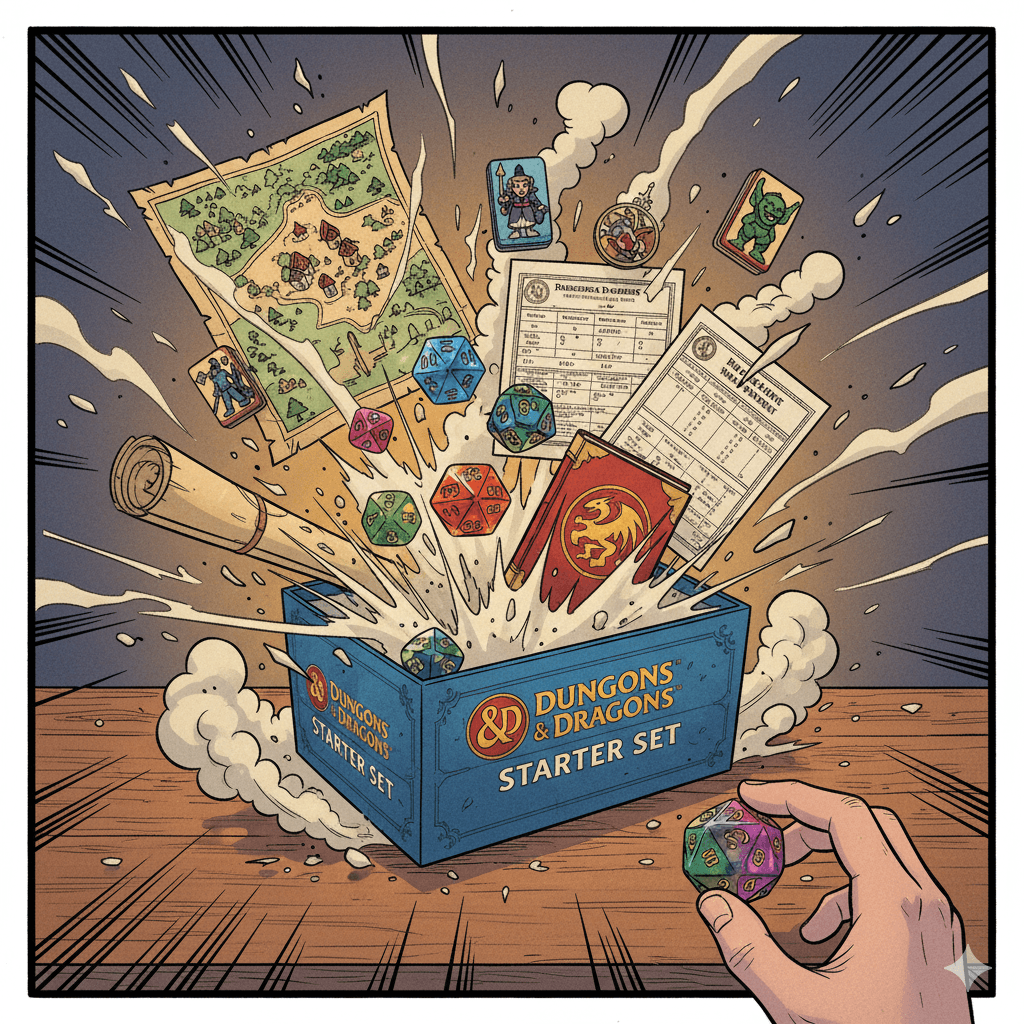
Okay, adventurer! You've got the box. Now let's break down the three most important components inside that box—the items that turn a simple group hang into an epic quest.
1. The Rulebook: Your Mini-Guide to Awesome
The Starter Set's Rulebook is arguably the most valuable item in the box because of what it doesn't contain: overwhelming complexity.
What it Is: It's a slimmed-down, essential version of the massive Player's Handbook. Think of the full handbook as an encyclopedia and this Starter Set book as the CliffsNotes version. It only includes the necessary rules for basic movement, combat, using skills, and casting spells up to a certain level.
Why It's Perfect for Beginners: The full rulebook is over 300 pages long and is designed for veterans. This book is designed for speed. It allows you to quickly start playing your first adventure without having to look up obscure rules for three hours. It holds your hand and guides you through the first few levels of the game, teaching you as you go. It saves you from that initial "analysis paralysis" that scares many newbies off!
Note: This blog post contains Amazon affiliate links. Purchases made through these links may earn us a small commission.
Just so you know, this page includes some shiny (and helpful!) affiliate links. If you grab something, it tosses a few gold pieces our way to keep the adventures going!
2. The Premade Character Sheets: Your Instant Hero
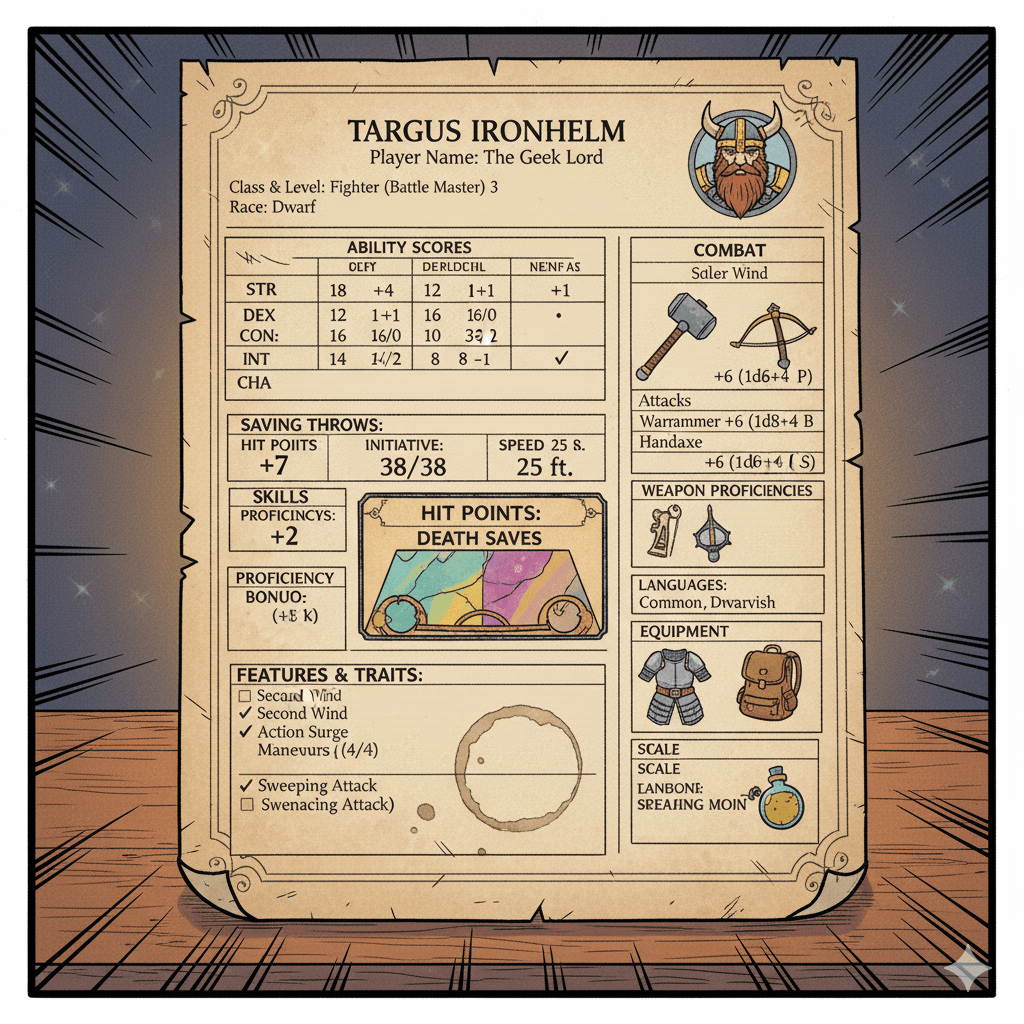
The concept of a "Character Sheet" can look like a tax document when you first see one. It's a piece of paper that holds everything about your hero: their strength, their intelligence, their gear, and their special abilities.
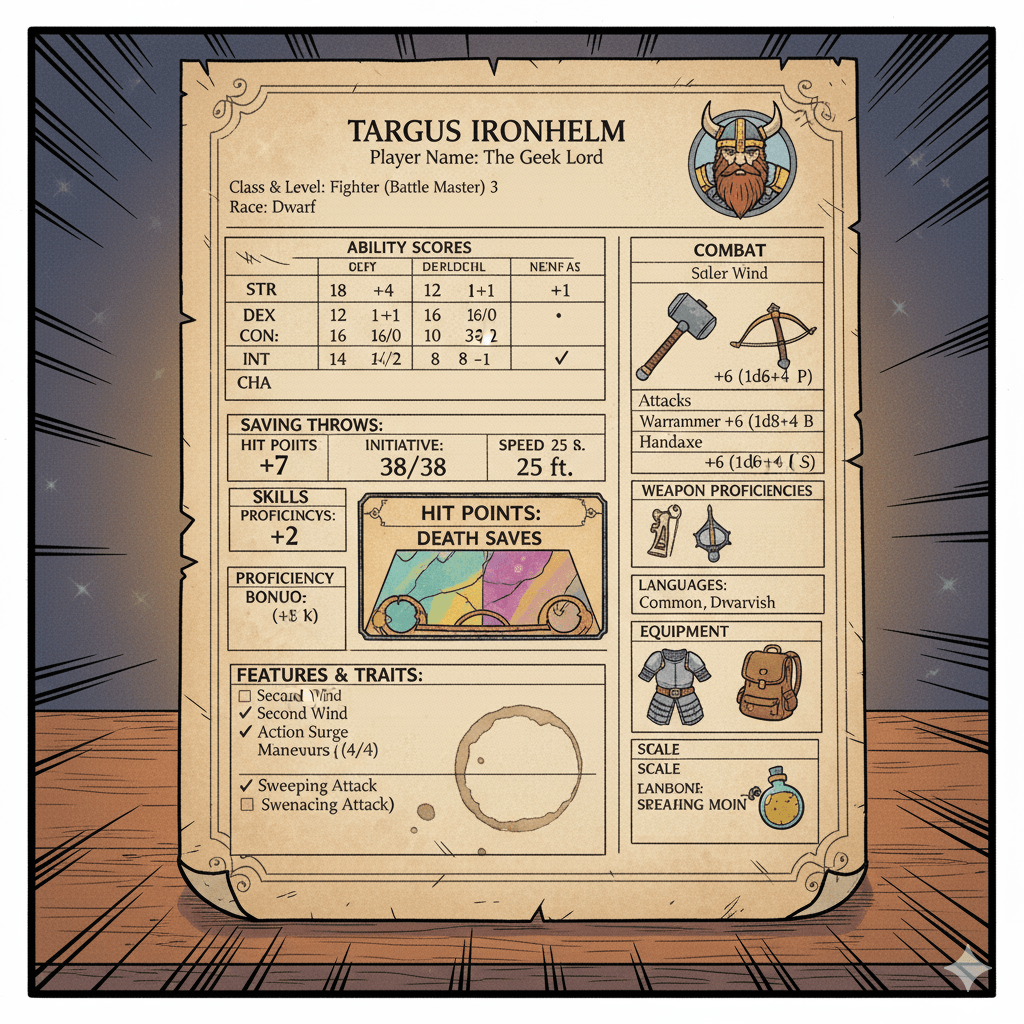
What they Are: The Starter Set provides Premade Character Sheets. These are fully built, ready-to-play characters—like a fierce Warrior, a sneaky Rogue, or a magic-flinging Wizard. All the numbers, stats, equipment lists, and complex math have already been done for you by the pros!
Why They're Perfect for Beginners: They let you skip the hours of homework! You don't have to worry about choosing the right armor or calculating your initiative bonus. You just choose your hero, read the short backstory, and you can jump straight into the action. It lets you learn how to drive the car before you try to build the engine. Once you finish the adventure, you'll know exactly how to build your own epic character from scratch.
3. The Dice: Your Fate, Your Fortune, and Your Addiction
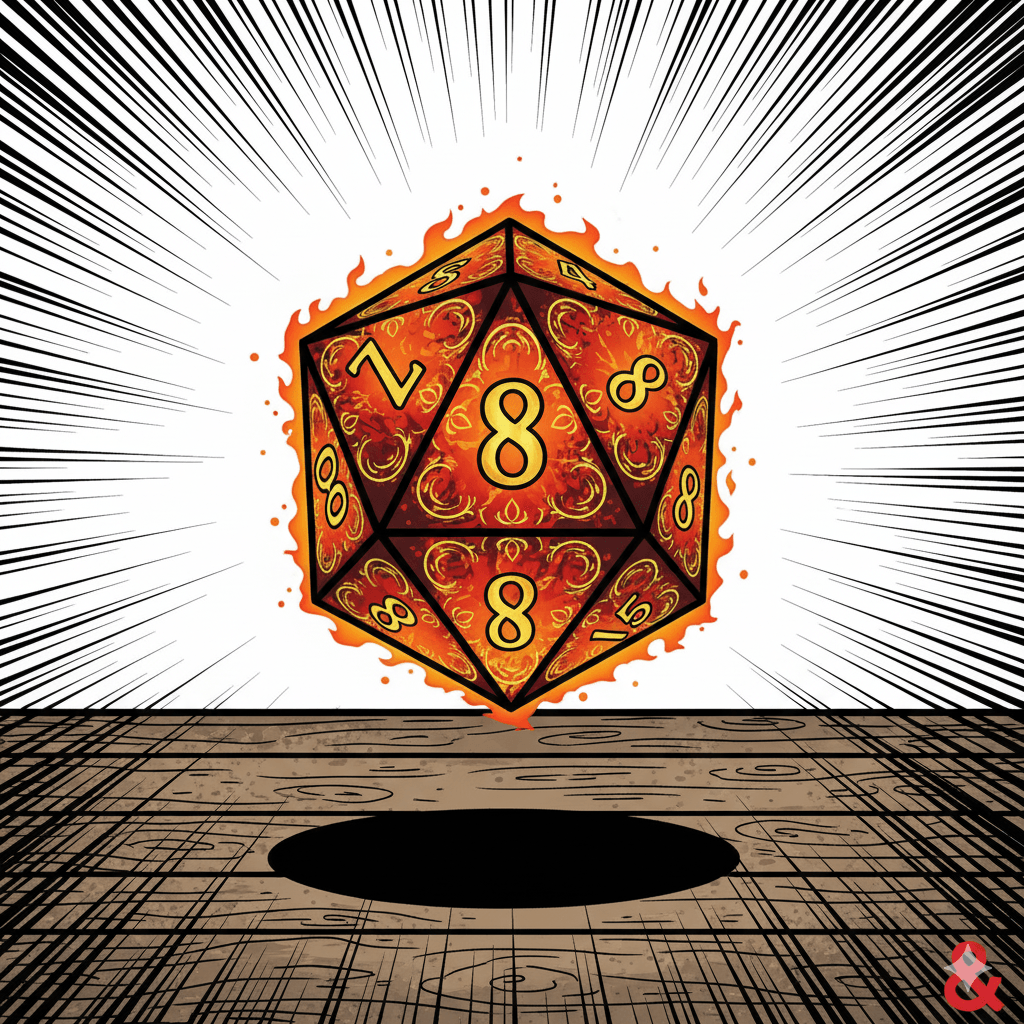
In D&D, dice aren't just for board games; they determine the success or failure of everything you try to do. That little set in the box is the key to your fate!
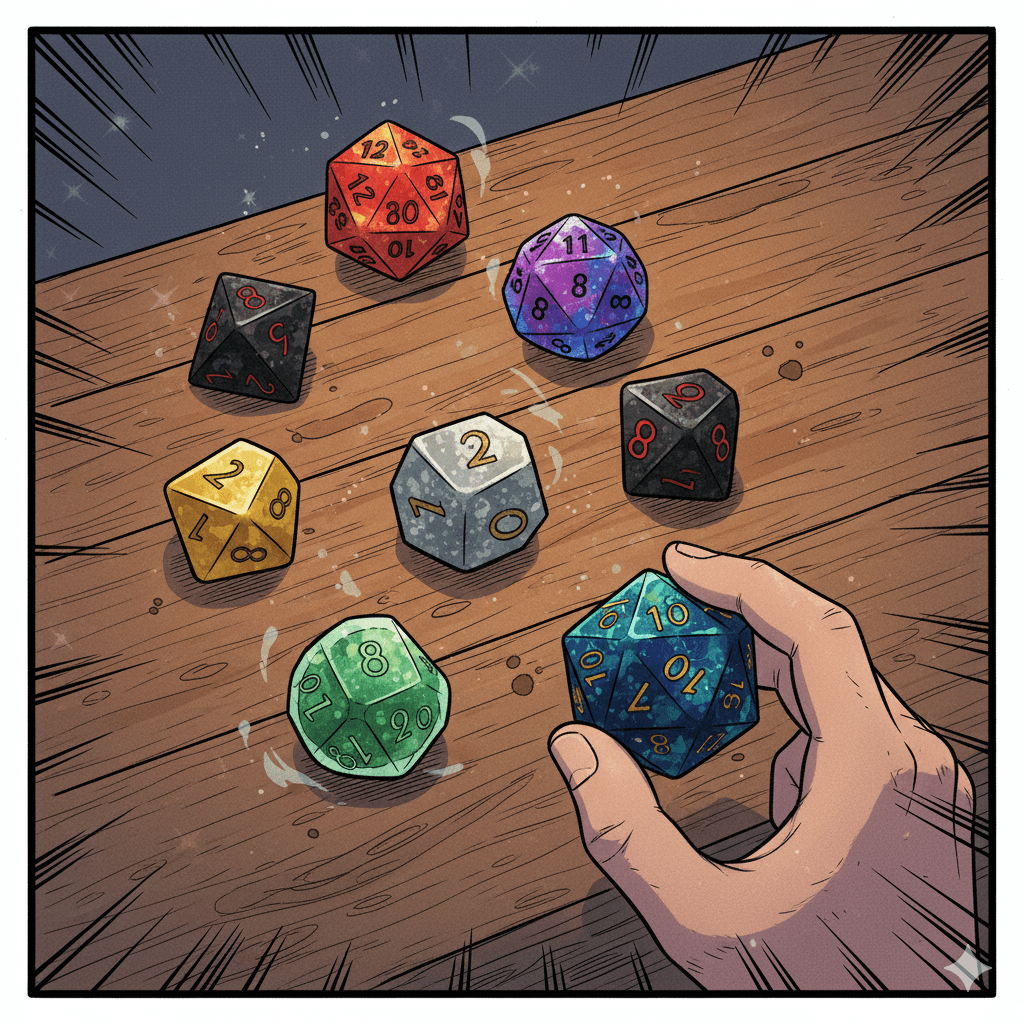
What They Are: The box contains a seven-piece polyhedral dice set. They are often called "polyhedral" because they have many sides (unlike the standard six-sided die). You get one of each:
D20 (20-sided): The star! You roll this for attacks, saving throws, and skill checks (like trying to jump a gap or persuade a grumpy shopkeeper). This is the most important die.
D12, D10, D8, D6, D4: These are rolled primarily for damage. If your sword does D8 damage, you roll the eight-sided die to see how many hit points the monster loses.
Percentile Dice (D%): Used for rolling percentages, usually for random outcomes or finding specific loot.
Why You'll Need More: The single set in the box is technically enough for the whole group to share. However, sharing dice is a buzzkill! When you hit a monster, you want to immediately roll your damage. If you have to wait for your buddy to finish rolling their D20, the pace slows down. Trust me—having your own set of personalized, beautiful dice is the first sign of a healthy D&D addiction!

Welcome to Lore & Lattes, your guide to the best of geek culture! Get detailed fandom analysis, real-life stories, and budget-friendly guides. The quest for awesome starts here.
Created with systeme.io